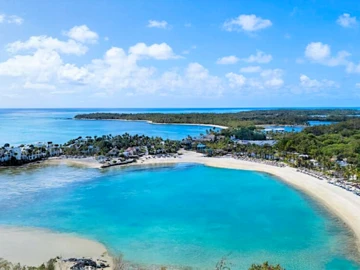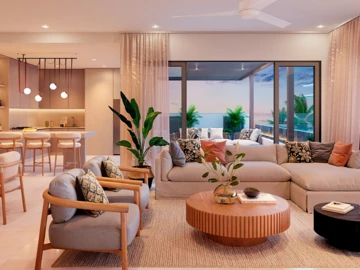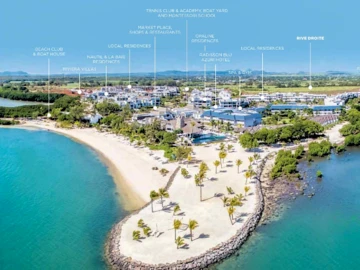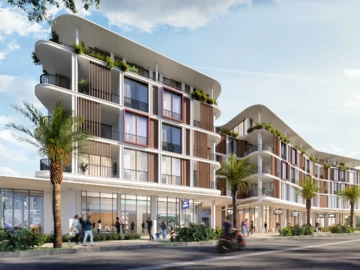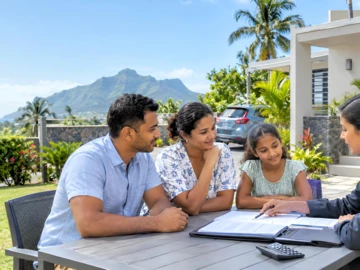
In March 2026, South African buyers purchased more than R101 million (approximately MUR 285.7 million, or $6.1 million) worth of apartments within 30 minutes during the launch of Alba, a 36-unit luxury development on Mauritius' north-west coast at Trou aux Biches. Transactions were processed through Alba's proprietary digital marketplace, listingplatform.alba.mu. The event confirmed what the data had been showing for years: South Africa is no longer a passive admirer of Mauritius. It is the island's most consequential African investor, resident community, and tourism partner.
South Africa is one of the most important foreign buyer groups in Mauritius, alongside France, and has remained a major source of real estate inflows into the island’s property market. In 2024, South African buyers channelled MUR 4.66 billion (approximately R1.8 billion) into Mauritian property, a 22.6 percent increase year on year. Between 2010 and 2022, South Africa was the single largest source of FDI into Mauritius across all sectors, investing ZAR 18.97 billion across 19 projects, with real estate absorbing ZAR 13.8 billion of that total.
110,000 Visitors a Year
South Africa is Mauritius' fifth-largest source market for tourism and the only African nation in the top five. Arrivals have grown steadily from 96,316 in 2022 to 110,287 in 2025, in a record market that welcomed 1.44 million visitors in 2025 overall.
Why They Come
The pull factors are structural. Mauritius applies a progressive personal income tax topping at 20 percent, with the first MUR 500,000 exempt, compared with marginal rates of up to 45 percent in South Africa and a Corporate tax of 15%, unchanged since 2008 No capital gains, inheritance, dividend, or property taxes apply. The island placed fourth globally in the 2026 Tax-Free Relocation Index, scoring first for cheapest monthly rent at USD 394, lowest utilities at USD 56 a month, and lowest overall cost of living for a single person at USD 591.
Proximity between the two countries reinforces the appeal: a four-hour direct flight connects Johannesburg to Port Louis. Mauritius has held Africa's top Global Peace Index ranking for 18 consecutive years, and a bilateral Double Taxation Agreement eliminates the risk of being taxed twice on the same income.
10,000 Residents and Growing
Approximately 10,000 South Africans reside permanently in Mauritius, the second-largest expatriate community after the French, according to South African High Commissioner, Dr. Hlamalani Nelly Manzini. The EDB last recorded 1,247 South African Occupation Permit holders in 2021, covering formal work and business permits only, and not counting residence or property-linked permit holders.
Total Occupation Permits across all nationalities have since surged 48 percent, reaching 5,049 by October 2025, reflecting the island's broadening appeal to skilled foreign workers and entrepreneurs. The emigration trend has grown exponentially over the past decade, driven by tax advantages, political stability, and lowered investment thresholds, including a USD 50,000 minimum for an investor Occupation Permit.
Where They Settle
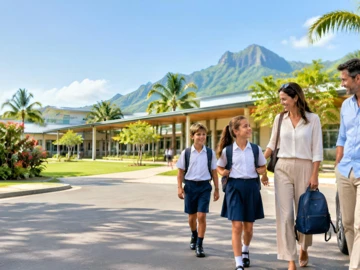
South Africans arrive predominantly as families, choosing Mauritius as a secure relocation hub for its quality of life, international schools, and safety. Grand Baie on the north coast and Tamarin and Black River on the west remain the most sought-after areas, offering proximity to international schools, private medical facilities, and vibrant retail and restaurant life. Moka Smart City, inland near Port Louis, draws entrepreneurs and professionals relocating with spouses and parents, supported by expanded dependent permit provisions introduced in recent regulatory reforms.

Log in to contact the seller
 Continue with Facebook
 Continue with Email