Mauritius is entering a new phase where Artificial Intelligence (AI) and sustainability are reshaping its property market. Under Vision 2050, the government is positioning the island as a high-income, tech-enabled and climate-resilient economy, with real estate and hospitality at the forefront of that transition.
AI is already filtering into day-to-day operations. Real estate agencies and developers are adopting chatbots for 24/7 lead qualification, automated valuation models to price properties more accurately, and dynamic pricing tools that adjust rates in response to demand in real time. For hotels and resort operators, the same technologies optimise room inventory, personalise offers and streamline back-office workflows, reducing staffing pressure in traditional administrative roles. Rather than eliminating activity, AI is shifting it toward tech-integrated office space in smart cities such as Ebene and Moka, and toward residential products designed for remote work, high-speed connectivity and digital services.
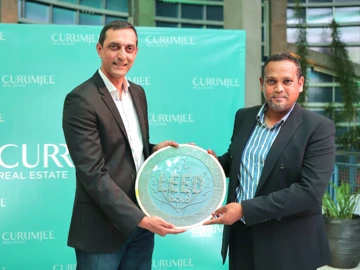
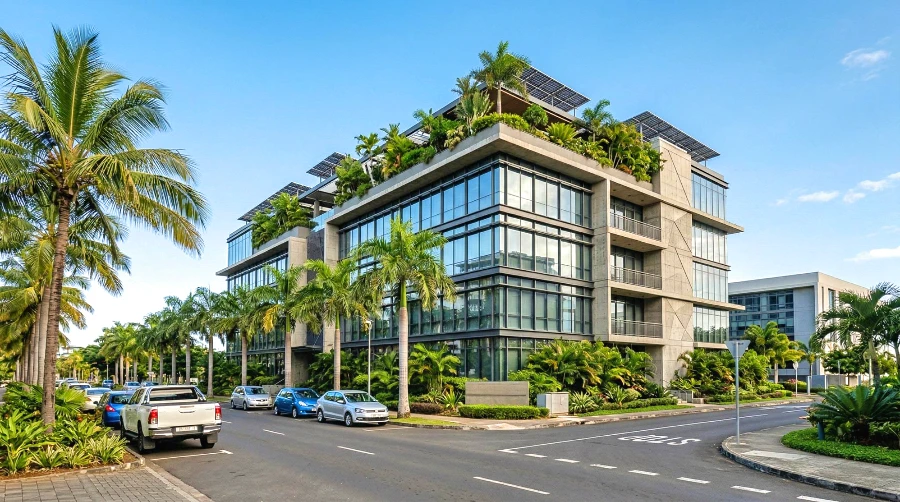
In parallel, the Maurice Ile Durable agenda and the Carbon Neutral Industrial Sector (CNIS) scheme are accelerating the move to solar-powered, energy-efficient buildings. New hotel and mixed-use projects increasingly target LEED, EDGE or similar green certifications, supported by tax incentives and growing expectations from international buyers. In Mauritius, "green" and "smart" are no longer marketing buzzwords. They are becoming baseline requirements for future-proof hospitality and real estate assets.

Log in to contact the seller
 Continue with Facebook
 Continue with Email