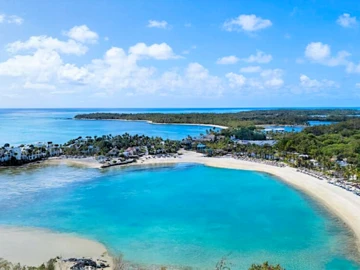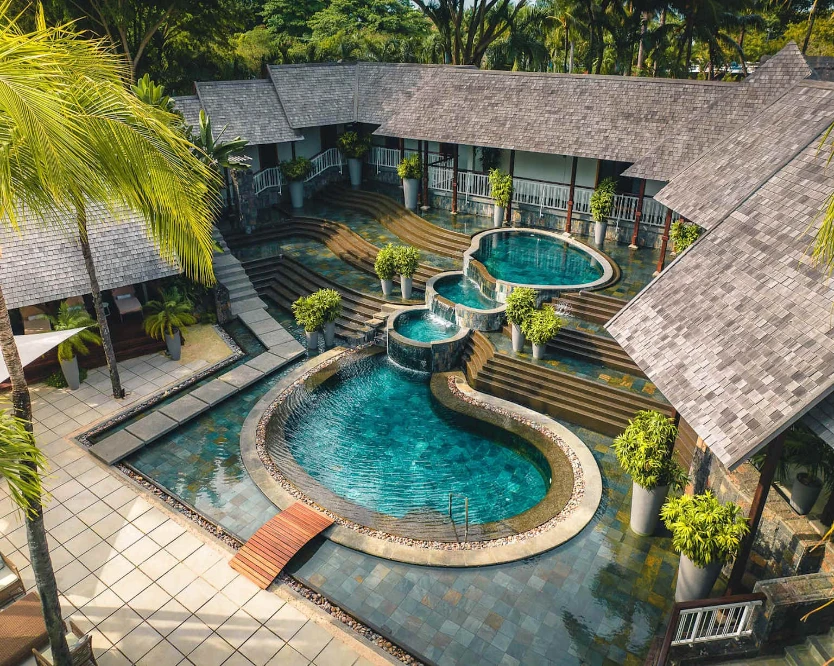
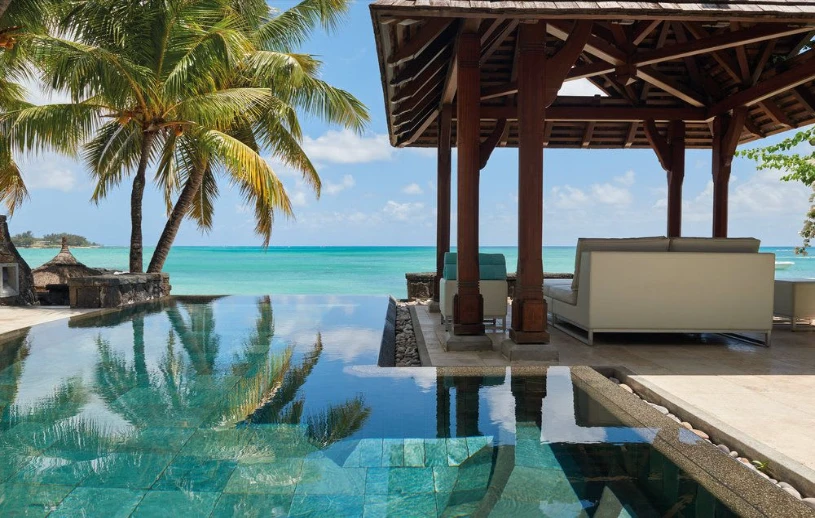
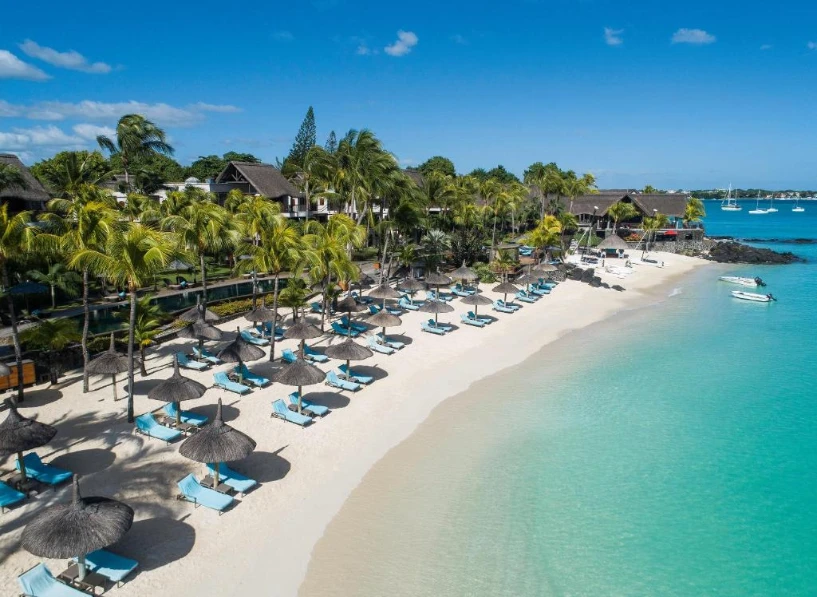
New Mauritius Hotels Limited (NMH) has confirmed the sale of the Royal Palm Beachcomber Luxury to its subsidiary, Beachcomber Hospitality Investments Ltd (BHI), for EUR 50.6 million. The deal, confirmed on 6 February 2026, marks a pivotal chapter in the restructuring of Mauritius's largest hotel group. It also signals a deliberate strategy: sell a crown jewel at home to finance expansion abroad.
The Royal Palm, approximately 70-suite ultra-luxury property on the Grand Baie peninsula, has long been Beachcomber's most prestigious address. So why sell it? The answer lies some 2,800 kilometres away, off the coast of Tanzania, in Zanzibar. NMH is pursuing the acquisition of a leading five-star resort on the archipelago, which according to some sources could be the 56-key Zuri Zanzibar on Kendwa Beach. The Royal Palm sale will partially fund that acquisition. Bank debt covers the rest.
Crucially, the Royal Palm stays under Beachcomber management through a leaseback arrangement. Guests and staff will notice no change. The brand flag remains. What changes is the ownership structure, with BHI now holding the asset while NMH continues to operate it.
Market Ripple Effects
The EUR 50.6 million price tag, valued independently by Knight Frank, sets the Royal Palm at roughly EUR 720,000 per key (indicative figure). That is a significant benchmark for Indian Ocean luxury hotel pricing. For investors, BHI's portfolio now rises to five properties with total assets approaching EUR 400 million. Its preference shares, already oversubscribed in a recent EUR 35 million raise, offer attractive yields. BHI is becoming the closest thing Mauritius has to a dedicated hospitality REIT.
A Regional Shift
This transaction is part of something bigger. NMH is simultaneously investing over EUR 57 million in a second luxury hotel at Royal Palm Marrakech, managed by Fairmont. It has also repaid a substantial portion of its COVID-era MIC loan ahead of schedule. The pattern is clear: Mauritius's top hotel groups are outgrowing a domestic market of 1.44 million annual arrivals and deploying capital across East and North Africa.
For Zanzibar's luxury segment, a Beachcomber-branded resort raises the bar. For Mauritius, the deal separates hotel real estate into a distinct, investable asset class. And for the region, it confirms that Indian Ocean hospitality capital is flowing outward with purpose.

Log in to contact the seller
 Continue with Facebook
 Continue with Email