Until now, the East of Mauritius watched from the sidelines. Bagatelle, Phoenix, Cascavelle, all the major retail hubs sat along the Port Louis to Moka to Cascavelle arc, pulling spending power westward. That deep imbalance is about to shift.
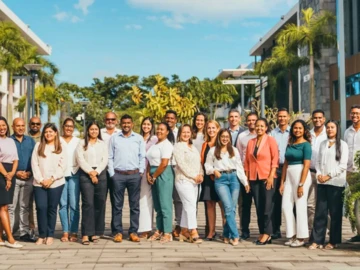
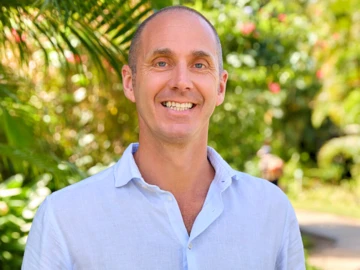
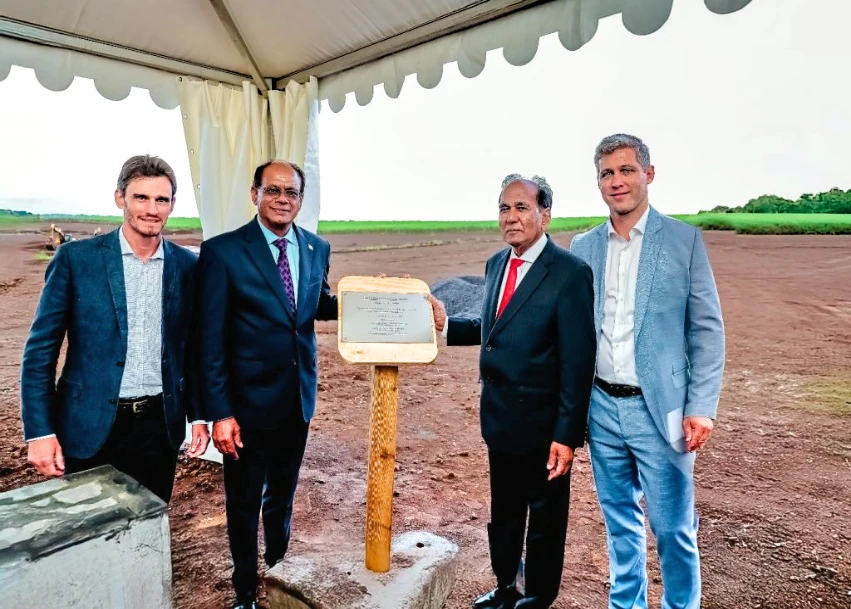
Alteo and Ascencia recently broke ground on Mall de Flacq, a Rs 2.5 billion commercial complex set to open mid-2027. The foundation stone ceremony brought together Fabien de Marassé Enouf, CEO of Alteo, Simon Harel, CEO of Ascencia, alongside ministers Anil Bachoo and Ajay Gunness.
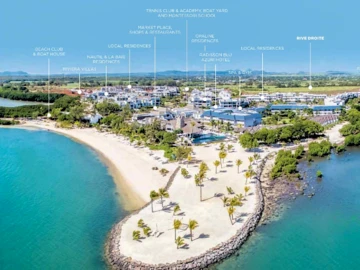
The partnership carries serious weight. Alteo, rooted in agro-industry, energy and landmark developments like Anahita, has reshaped the eastern landscape for decades under its stated vision of making the East an everlasting place to grow. Ascencia controls roughly a third of all commercial space in Mauritius, drawing 2.27 million visitors monthly across its seven malls. Together, they bring territorial ambition and proven retail expertise to a region that has waited far too long.
One thousand direct jobs
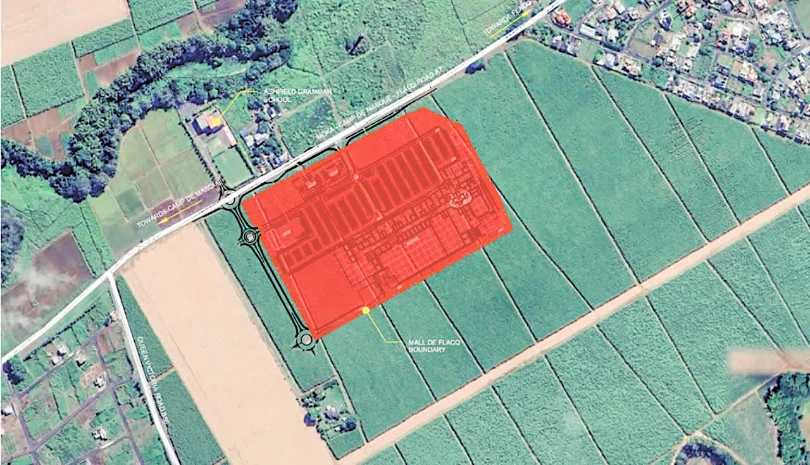
The site at Bonne-Mère sits along the A7 route and minutes from the future M4 motorway, a corridor connecting Forbach to Grand-Bel-Air. That road infrastructure transforms the mall from a standalone project into a regional gateway, complementing public investment in eastern mobility.
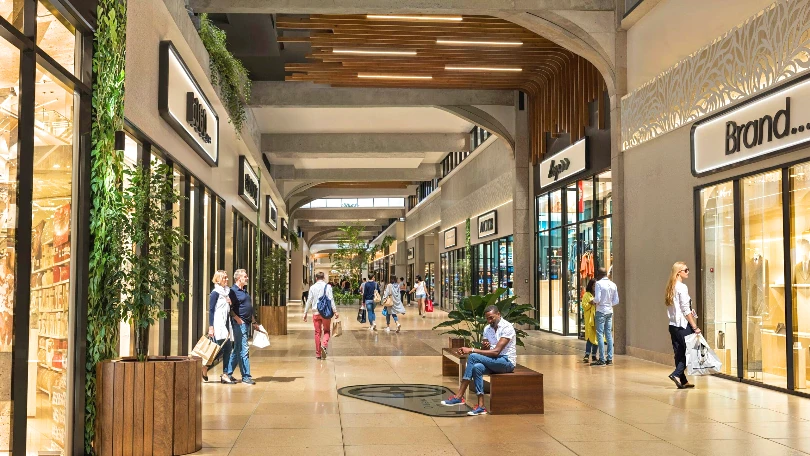
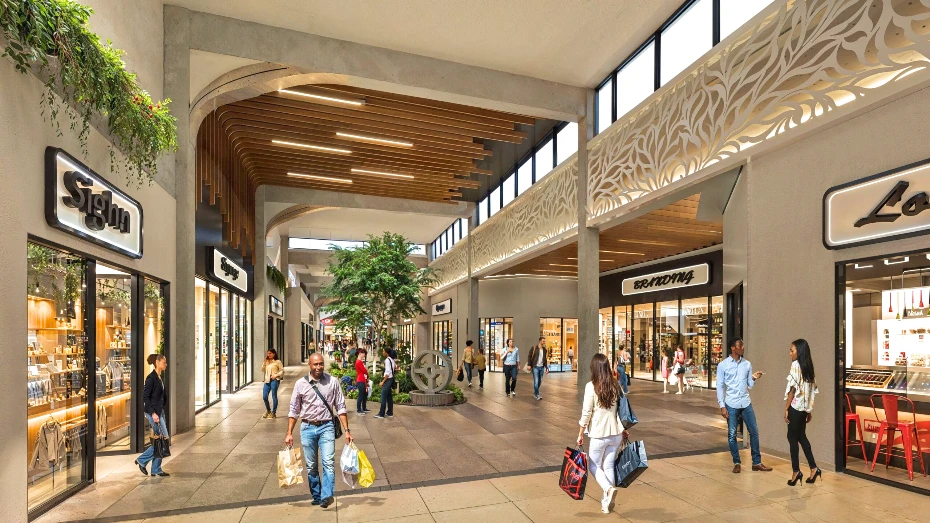
Across twenty-five thousand square metres, the complex will house retail, dining, entertainment, a gym, banking and a pharmacy. Around one thousand direct jobs are expected at opening, diversifying employment in a region long confined to hotels and sugar cane.
Right now, eastern residents travel to Bagatelle, Phoenix or Cascavelle to shop, eat out and access leisure. Every rupee they spend there flows into the western and central economy. The East generates consumers but captures none of their spending power. Mall de Flacq reverses that. Residents spend in their own region. The money circulates locally, feeding local businesses, local jobs, local suppliers.
And the opportunity (employment, business growth, skills diversification) stays rooted in the East instead of being exported elsewhere.

Log in to contact the seller
 Continue with Facebook
 Continue with Email