Continue with Facebook
 Continue with Email

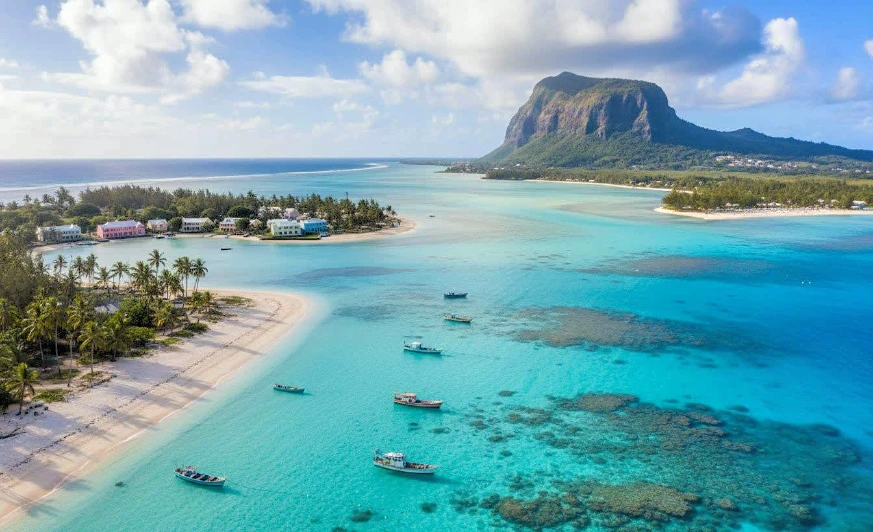
Mauritius has long attracted international investment. A growing number of its own conglomerates are now reversing that flow, committing significant capital to markets across Africa, the Indian Ocean, and further afield. The vehicle is twofold: direct overseas expansion and structured strategic alliances.
IBL Group leads the outbound push. Its "Beyond Borders" programme, the group's formal internationalisation strategy, has seen it deploy roughly USD three hundred and eighty million across the Indian Ocean and East Africa over the past four to five years. The Lux Collective has signed new management contracts in the UAE and China. Beachcomber Resorts and Hotels is planning to acquire management control of a five-star property in Zanzibar, Tanzania.
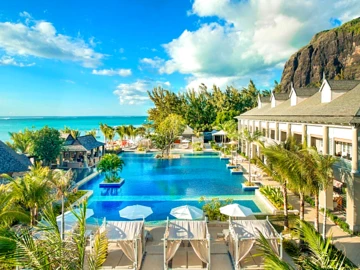
New Mauritius Hotels, the hospitality arm of ER Group, has committed over six hundred million Moroccan dirhams (approximately USD sixty to sixty-five million) to the second phase of its Royal Palm Marrakech resort. CIEL Group is simultaneously expanding its healthcare network in Uganda alongside its hotel portfolio.
Alliances Accelerate Market Entry
Some moves rely on partnership rather than direct ownership. IBL, through its Make Distribution subsidiary, has initiated an alliance with Caillé Grande Distribution in Réunion to merge their retail networks under a single entity. Caillé would hold approximately sixty percent, with IBL retaining forty percent. The deal, currently under review by Réunion’s competition authority, aims to rationalise operations and protect employment. On the beverages side, Phoenix Beverages, an IBL-owned company, acquired a fifty-four percent stake in Seychelles Breweries from Diageo for approximately USD eighty million, opening access to a tourism-linked drinks market.
A Changing Industry Profile
IBL now generates fifty-four percent of its revenue and seventy-two percent of its growth from outside Mauritius. Across CIEL, ER Group, Beachcomber, and The Lux Collective, the pattern is consistent: Mauritius-based groups are building multi-market platforms to reduce single-economy risk and capture growth beyond their home island.