Continue with Facebook
 Continue with Email

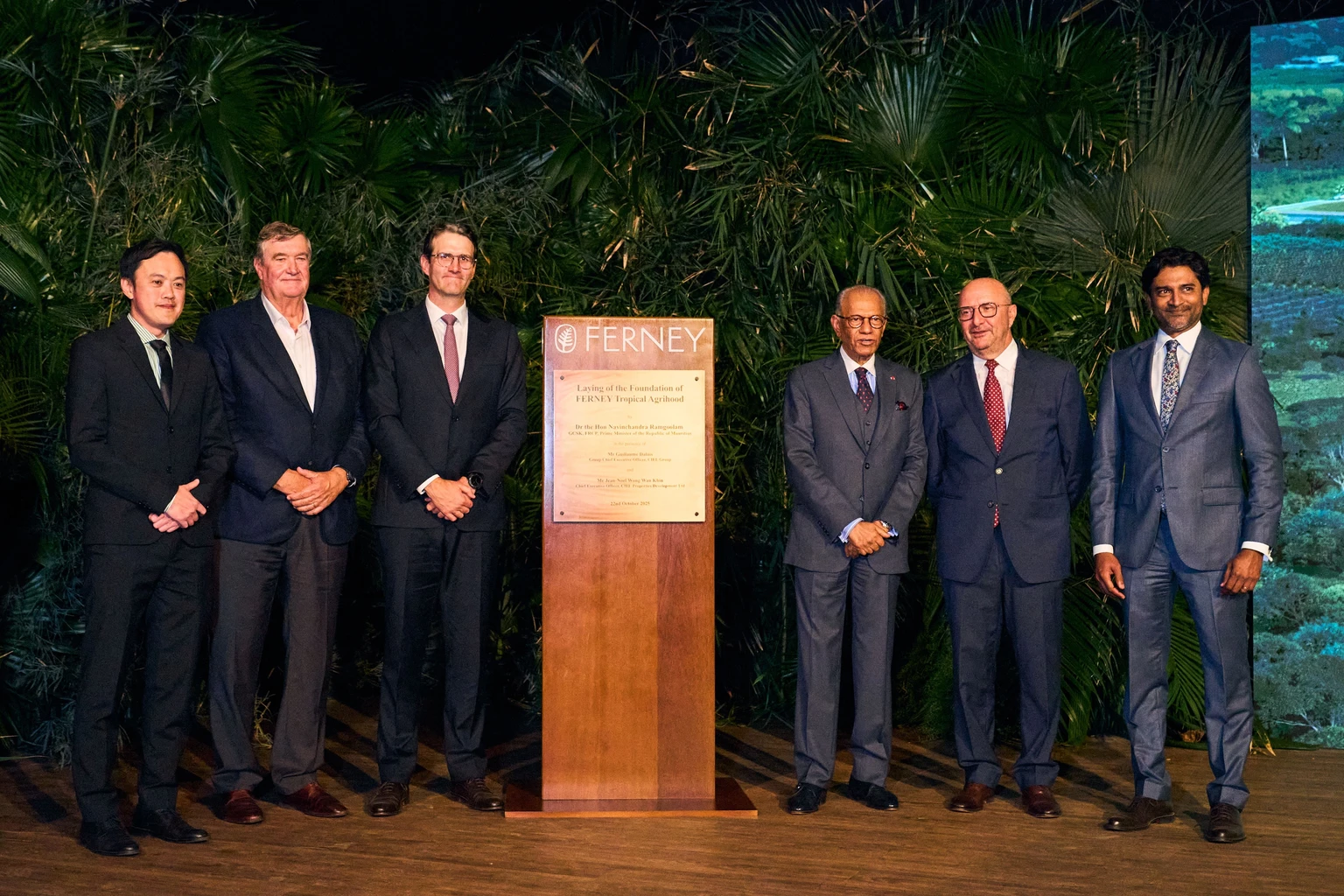
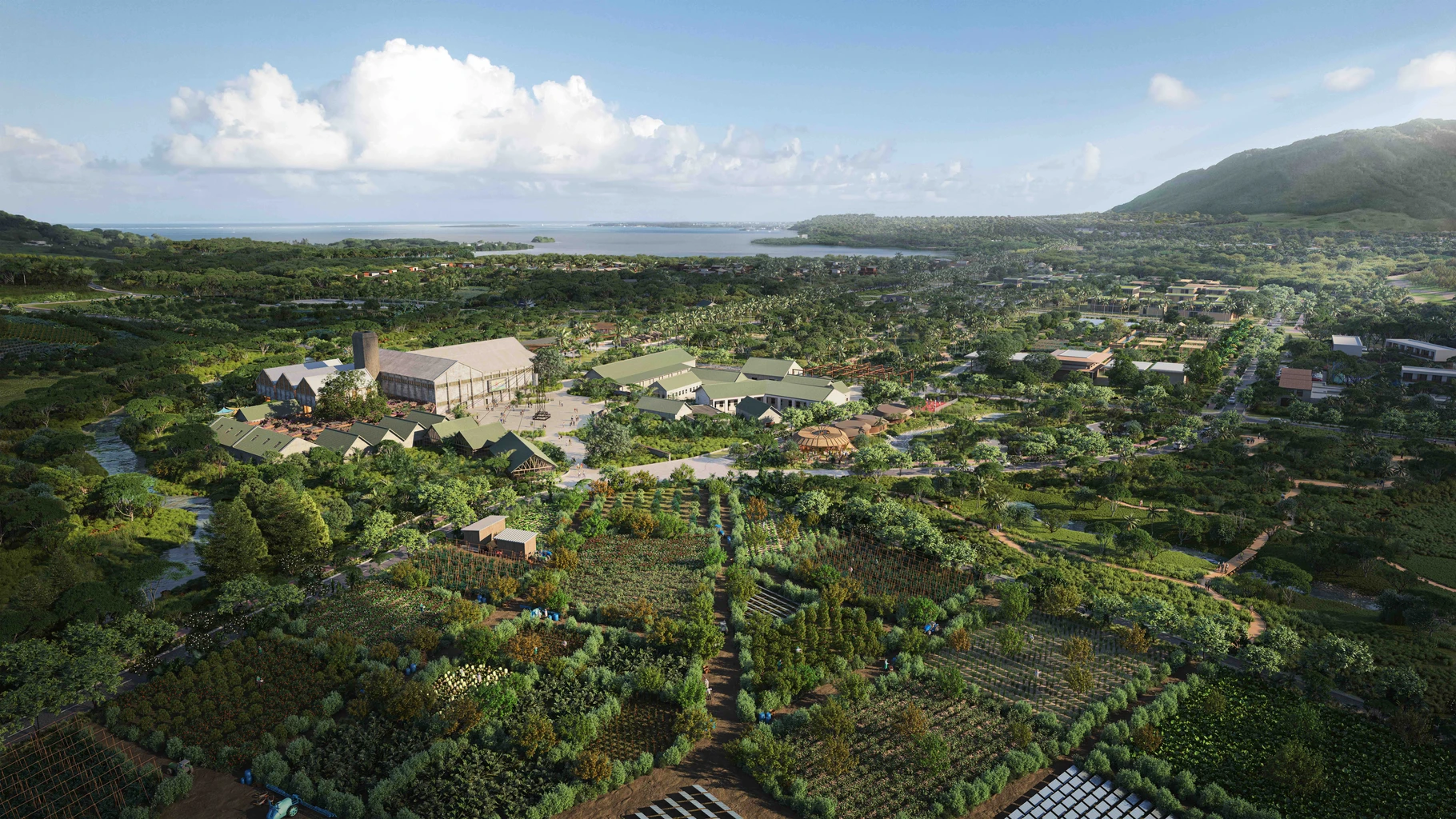
On 22 October 2025, at Falaise Rouge restaurant in FERNEY, Prime Minister Navinchandra Ramgoolam officially launched the FERNEY Tropical Agrihood. This initiative, developed by Ferney Ltd and CIEL Properties, marks a first for Mauritius. The project received support from the Mauritian government and local authorities.
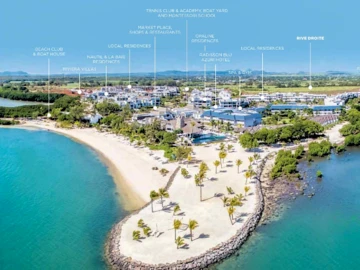
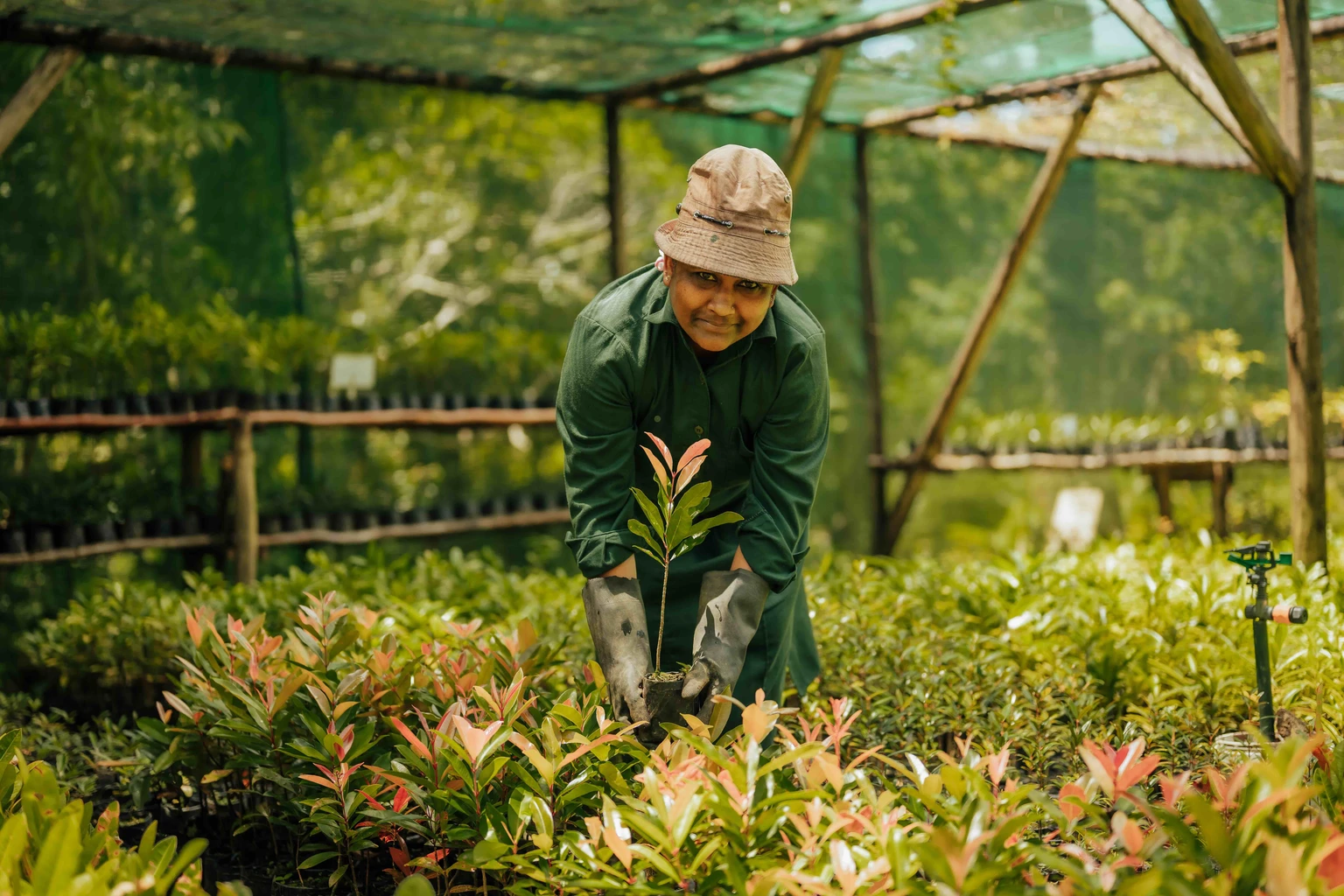
FERNEY Tropical Agrihood will transform 6% of the estate's 3,000 hectares over twenty years. Development will take place on former sugarcane land, outside the protected endemic forest. Three pillars guide the project: conservation and natural regeneration, sustainable agriculture and circular economy, residential zones with very low built density.
The Prime Minister praised "an audacious and visionary initiative". According to Navin Ramgoolam, CIEL "shows the way for sustainable development in Mauritius". He established a link with Maurice Île Durable, launched in 2008. The programme rested on five pillars: education, environment, energy, employment and equity. Ramgoolam called for strengthening food self-sufficiency. He emphasised the importance of public-private collaboration, considering that Ferney Agrihood is the "perfect example".
Jean-Noël Wong, CEO of CIEL Properties, explains that "the conception of FERNEY Tropical Agrihood is the result of several years of work in territorial planning, sustainability, architecture and compliance". He evokes "the vision of a new destination in the south-east of Mauritius, an integrated and sustainable project, with very low-density built environment, which combines agriculture, natural heritage conservation and ecotourism". He adds: "our ambition is to be pioneers, by favouring the emergence of a new lifestyle, fulfilling, with a low carbon footprint and close to nature".
Guillaume Dalais, Group Chief Executive of CIEL Group, affirms that "FERNEY is much more than land and agricultural capital". For him, "this estate illustrates our attachment to preserving natural heritage and our will to contribute to regional development while respecting its natural, social and historical assets". Mr Dalais emphasises that "FERNEY is an example of the three pillars of CIEL Group's action in sustainability: implementing projects in favour of the environment, promoting inclusive growth, and fostering the development of human skills".
The "farm-to-fork"
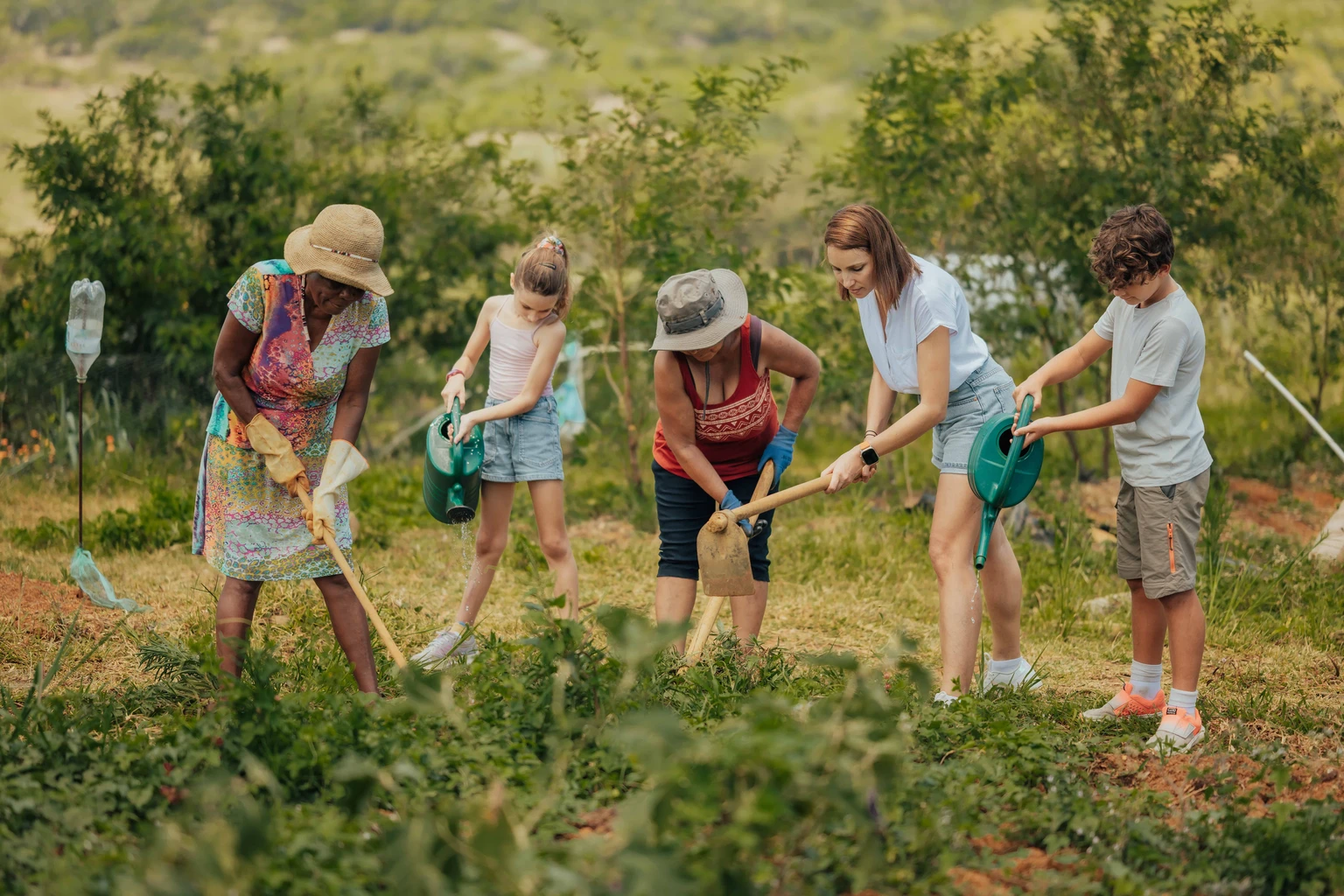
The farm-to-fork philosophy encourages consumption near the place of production. This approach reduces the carbon footprint and supports local farms. Regional residents actively participate in sustainability practices. Local skills development remains central. The Zardin S.E.L.A, a women's cooperative based on agroecology, illustrates this empowerment philosophy. Farm Living, launched in 2024, offers agricultural plots with cultivation obligation. The FERNEY Agri-Hub welcomes agro-entrepreneurs practising agriculture without chemicals.