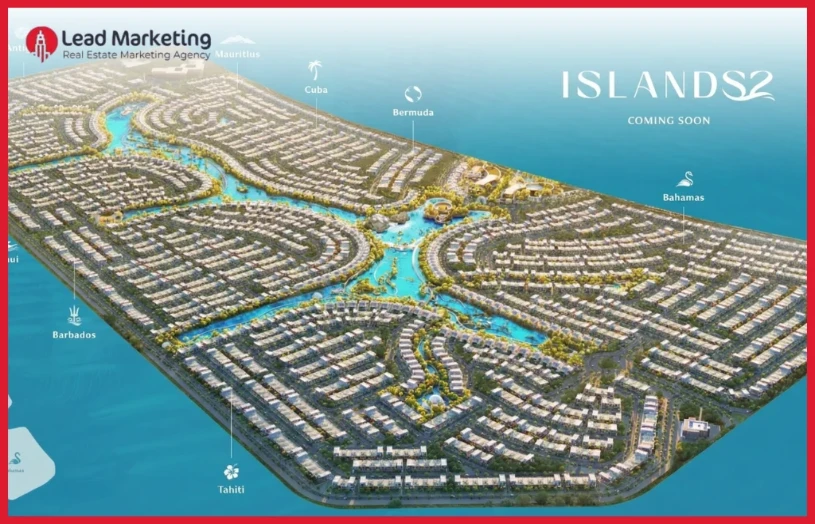
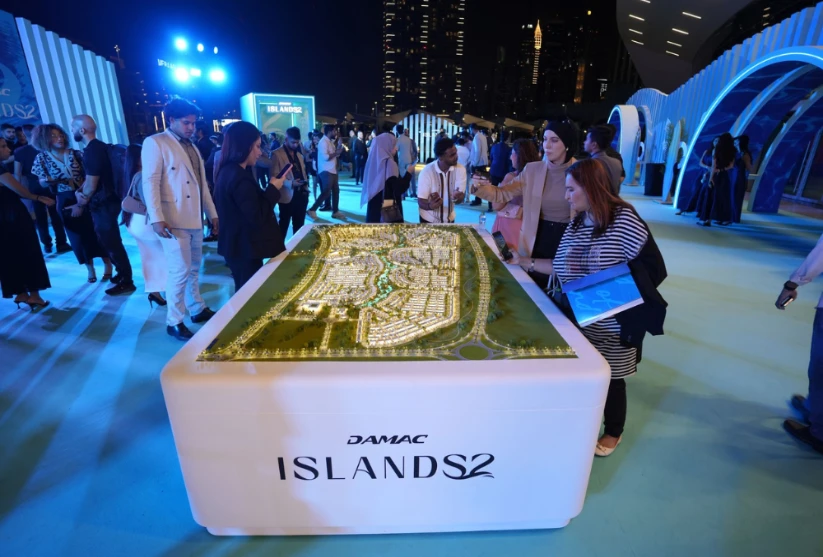
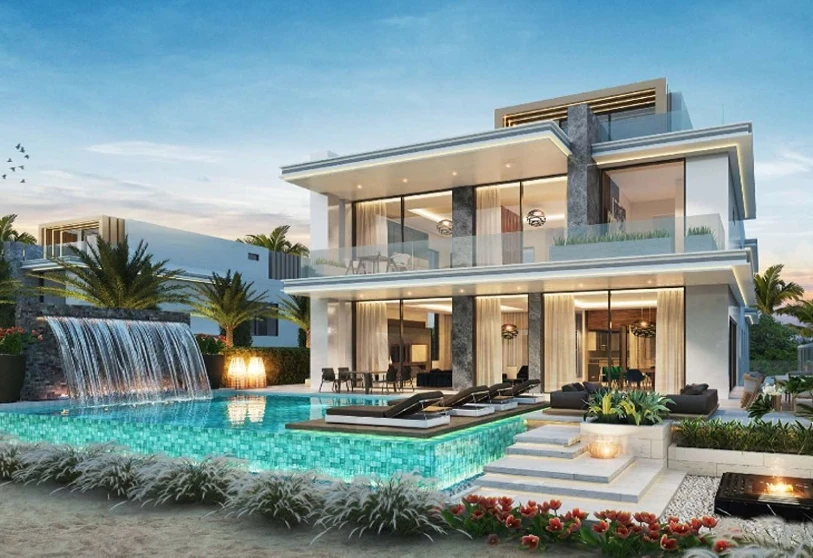
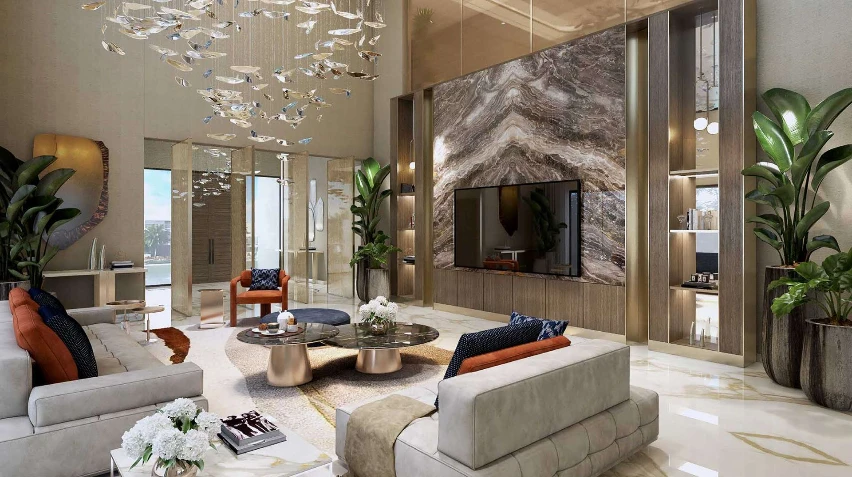
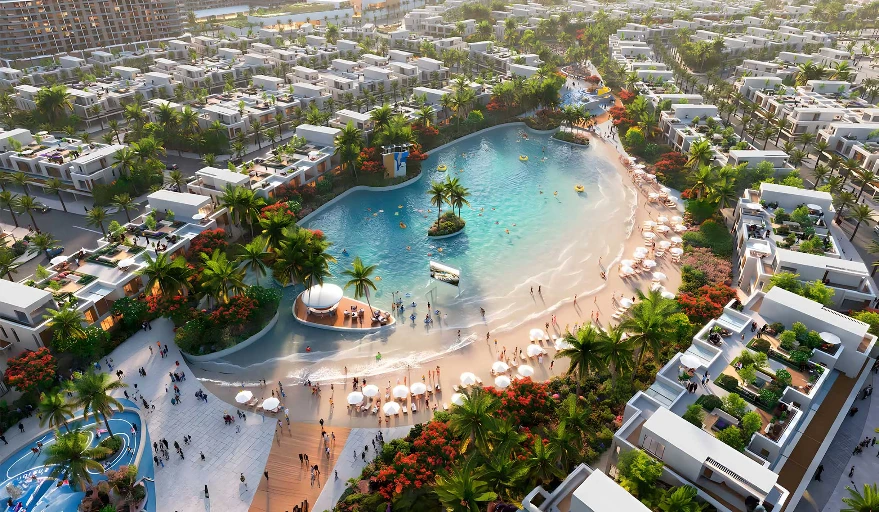
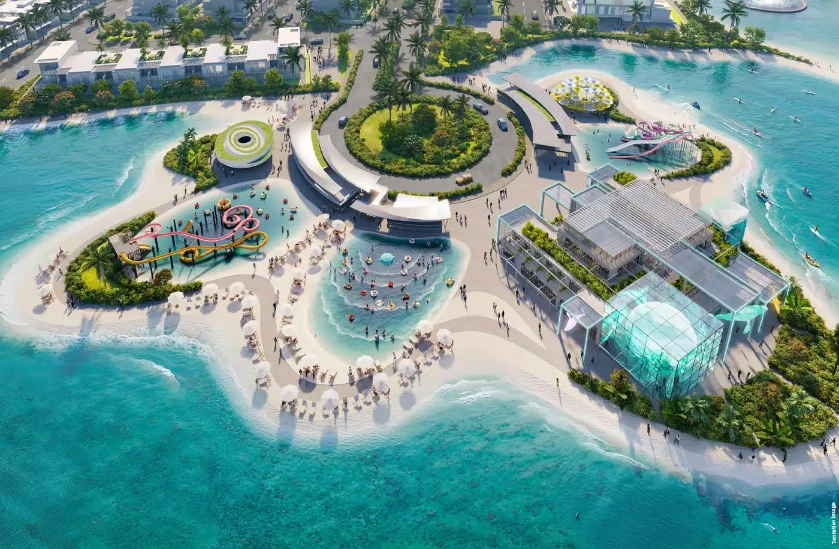
A Dubai developer is selling the Mauritius dream without any Mauritian involvement. DAMAC Properties, the Middle East's leading private luxury real estate developer, launched DAMAC Islands 2 in November 2025 with eight themed clusters. One bears the name "Mauritius." No Mauritian agencies, developers or partners appear in any marketing materials. The project appropriates the country's established brand equity to sell waterfront villas built around artificial lagoons in Dubailand.
This borrowing validates something significant. Mauritius has arrived as a globally recognised luxury real estate market. DAMAC placed the island alongside Bahamas, Tahiti, Maui, Bermuda, Antigua and Cuba in its tropical portfolio. For an international developer to bank on "Mauritius" as shorthand for exclusivity confirms decades of brand-building have succeeded.
Developer Scale and Market Context
DAMAC operates at a considerable scale. The company has delivered tens of thousands of homes across the UAE, Saudi Arabia, Qatar, the Maldives, Canada, the United States and the United Kingdom.The first phase of DAMAC Islands generated AED 10 billion (approximately USD 2.72 billion or MUR 125 billion) within 24 hours in 2024, earning a Guinness World Record. Dubai's broader market recorded AED 525.87 billion in total property sales during the first 290 days of 2025, with first-half residential transactions reaching AED 262.1 billion.
The Mauritius Cluster
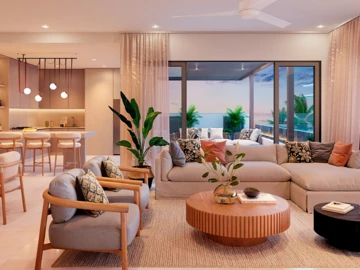
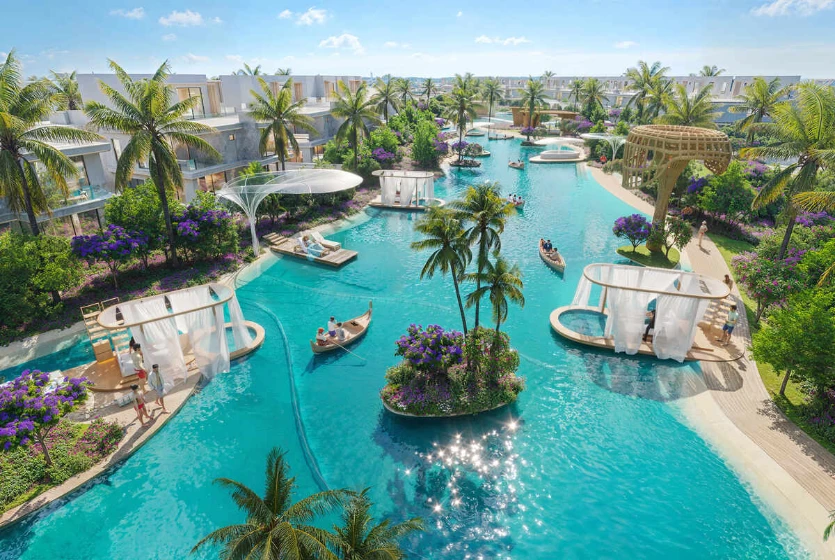
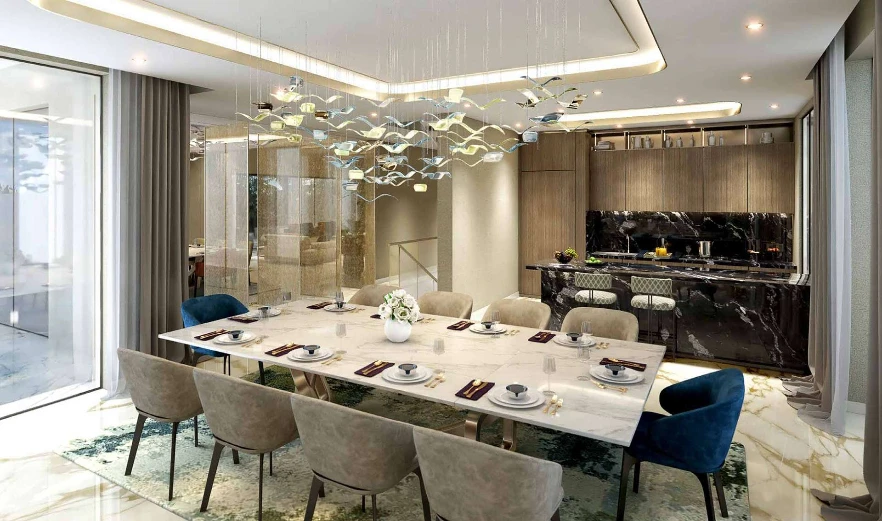
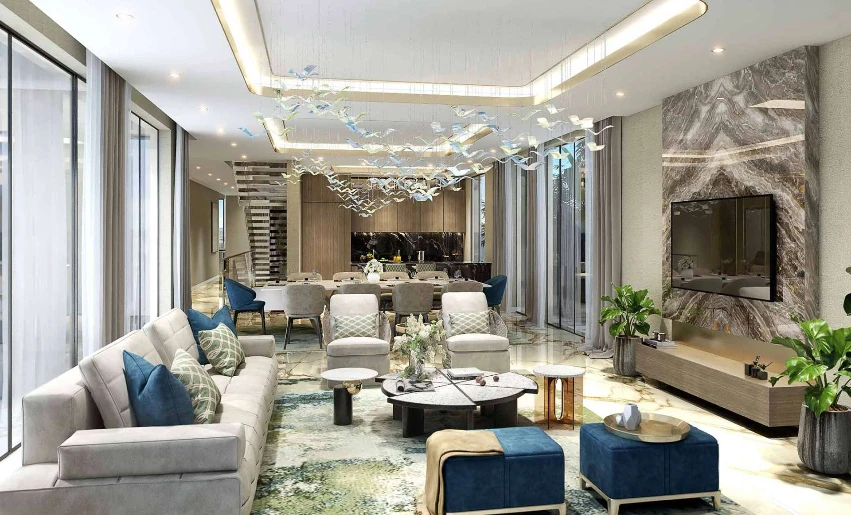
The Mauritian cluster offers four, five and six-bedroom villas starting from AED 2.75 million (USD 749,000 or MUR 34 million). Marketing describes verdant waters, natural swimming lagoons and wellness pavilions. Properties are sold off-plan under VEFA arrangements, with handover scheduled for Q4 2029.
Implications for Mauritius
For Mauritian stakeholders, this presents opportunity and challenge. Free global marketing reinforces associations of tropical luxury without spending a cent. Yet a synthetic competitor now exists on artificial waterways in the Gulf. Wealthy buyers might satisfy their desire for Mauritius-style living without visiting or investing in the actual island, resulting in potential FDI losses. This raises an uncomfortable question: should countries possess legal mechanisms to protect their place-brand from commercial exploitation abroad?
Local developers face a clear imperative. They must deliver what no themed cluster can replicate: genuine lagoons, endemic biodiversity, cultural authenticity and residency pathways.

Log in to contact the seller
 Continue with Facebook
 Continue with Email